
25 March 2026
Insights
5 mins read

1. The Changing Face of DEI
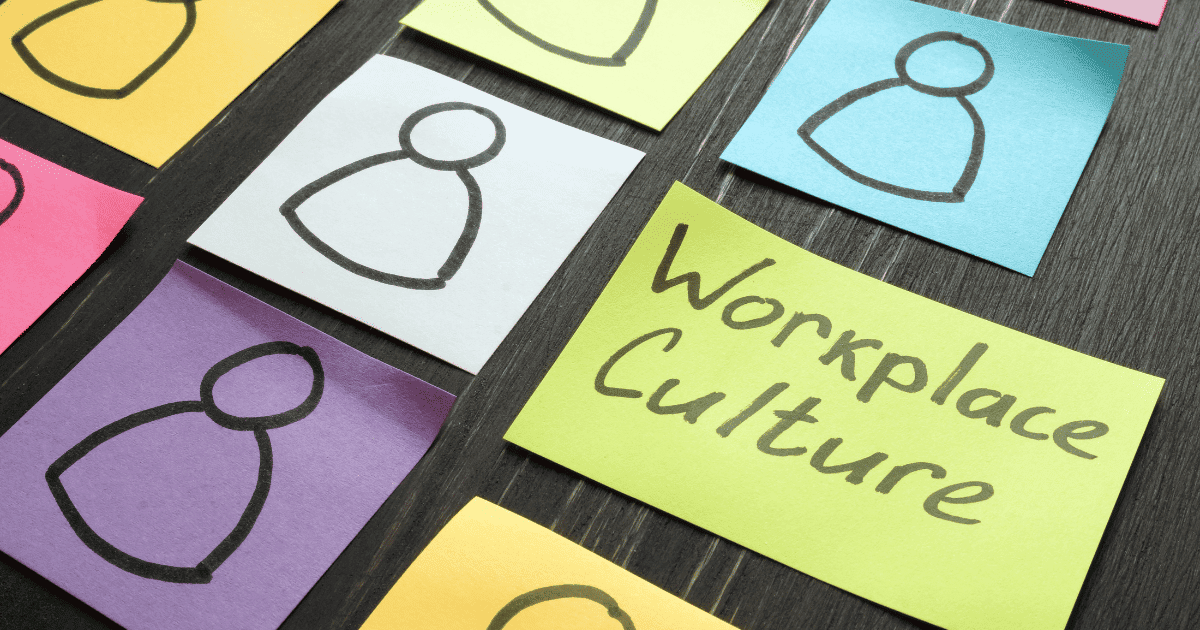
Over the past few years, I have witnessed a shift in workplace culture where many organisations scale back or restructure traditional DEI functions. Standalone teams have been cut, budgets reduced, and public DEI commitments scaled back, with companies sometimes removing DEI language from filings altogether. This leaves many professionals asking: what happens to inclusion when the structures supporting it are dismantled? Could this be an end; or an opportunity?
2. Reality Check and the Evolution
The reality is that inclusion is not disappearing; it’s evolving. In some areas, DEI programmes are starting to integrate more closely into HR strategy, workplace experience, and wellbeing initiatives with corporate wellbeing as one of the top priorities. This doesn’t mean silos have disappeared, but it does signal a new approach to embedding inclusion into the systems that shape employee experience. So how do organisations navigate this emerging landscape effectively?
3. Compliance & Governance: The Baseline
The compliance landscape remains very real and continues to shape organisational action. In the UK, large employers must report gender pay gap data annually; a requirement that has helped drive transparency but remains complex in implementation. In Australia, employers with 100+ employees report workforce gender metrics to the Workplace Gender Equality Agency (WGEA), across Europe, directives such as the CSRD expand workforce diversity and social impact disclosures. However, in countries like France, strict data protection laws limit the collection of demographic information related to race, ethnicity, or religion; surveys must be voluntary, anonymous, or processed by a third party, use broad categories, and keep results separate from HR files. However, compliance alone does not create inclusion, build culture, or improve wellbeing. Reporting frameworks measure representation and structural indicators, but they rarely capture the lived experience of employees. Concepts like inclusion, belonging, culture, and wellbeing are deeply contextual and often subjective, meaning different things to different organisations and people within them. Every organisation must define what inclusion and belonging mean within its own mission and values; because compliance only sets the baseline, not the outcome.
4. Collaborative Teams: Multi-Stakeholder Engagement
Leading organisations are recognising that true impact must be leadership-led, insights-driven, and delivered by and across multiple functions. HR, wellbeing, workplace design, inclusion experts, and facilities management can no longer operate in isolation. Organisations should consider forming integrated teams; or even entirely new functions dedicated to understanding and shaping workforce & workplace experience, embedding inclusion, culture, and wellbeing into everyday operations. These multi-stakeholder teams would coordinate around demographic data, employee sentiment, workplace design, and wellbeing indicators to ensure strategic decisions reflect the lived experience of employees. By explicitly connecting HR, workplace, wellbeing, facilities, and insight functions under a shared mission, organisations can better understand their people, foster belonging, and translate insight into action.
5. Atlas: Bridging Insights Across Functions
We’ve evolved Atlas to meet the needs of today’s active, accountable leader. The platform allows different stakeholders: HR, DEI, workplace, and wellbeing; to access the same fully anonymous, GDPR‑aligned data set, with each function interpreting the insights that matter to them through their own lens.
Atlas captures fully anonymised workforce demographic and sentiment data, complementing HR and other data sets to build a fuller picture of the organisation, not just in a generic sense of ‘belonging’. It gives leaders the ability to listen at scale while meeting privacy and GDPR requirements. Isn’t this the kind of insight organisations have been missing?
6. Moving Beyond Compliance to Culture Leadership
I’d encourage DEI leaders to think more holistically about their people and workplaces; bringing employee experience, demographics, workplace design, and culture leadership into the same conversation. Compliance will always remain essential, but it can sit alongside and strengthen wider HR frameworks. Broadening the lens in this way creates a far richer, more connected understanding of how people experience work.
Be Part of the Global Conversation
The shifts we’re seeing across workplaces make one thing clear: DEI is not disappearing. It is transforming. The organisations that will lead the next decade are those that recognise the need to move beyond siloed initiatives and towards a more connected model of culture leadership — one that brings together HR, DEI, wellbeing, workplace design, data, and governance.
These conversations are not theoretical; they are urgently practical. And they are happening on global stages where leaders are rethinking what inclusion looks like in 2026 and beyond.
That’s why we’re proud to support the 2026 Diversity & Inclusion Conference in London: a gathering designed for leaders who understand that compliance is only the starting point, and culture is the real frontier of organisational change.
If you’re working in HR, DEI, people & culture, workplace experience, or leadership, this is where the next chapter of the conversation is unfolding.
Register now for the Diversity & Inclusion Conference 2026