
15 April 2026
Events
5 mins read
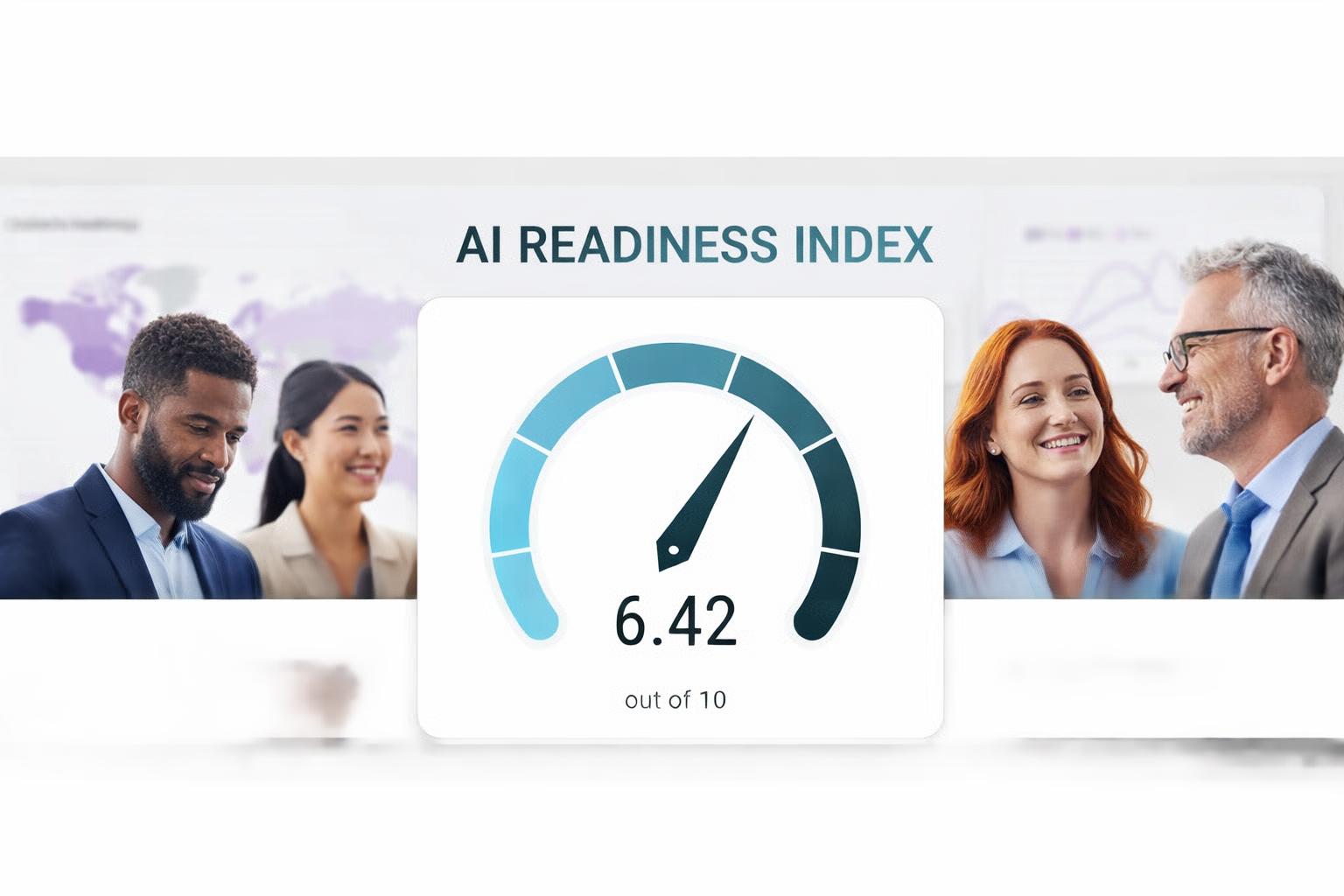

AI isn’t coming. For most mid‑to‑large organisations, it’s already here; embedded in workflows, dashboards, hiring pipelines, and customer interactions. The question is no longer whether your people are working alongside AI. It’s whether they understand it, trust it, and have had any meaningful say in what it means for them.

That gap, between tool deployment and human readiness, is now one of the most consequential challenges in organisational life. So let’s look at how organisations can bridge it.
The emotional layer organisations keep underestimating
Culture isn’t just a feeling. But it starts as one. Culture, in the context of AI, is about how people behave day to day, how they treat each other under pressure, and the structural decisions leadership makes about people, who gets resourced, who gets heard, what gets rewarded. That’s distinct from cultural diversity, which is a different and equally important lens.
AI adoption stress-tests all of this at once. And the feeling people have about it, uneasy, excited, left behind, quietly thriving, is not noise but a signal. Organisations that treat it as data worth understanding are the ones that will navigate this well.
The three groups in every organisation
Walk into any organisation twelve to eighteen months into serious AI adoption and you’ll find three groups.
- Fast adopters who have restructured how they work without waiting for a mandate.
- Slow learners who are capable, experienced professionals being asked to rethink their own expertise.
- Resisters often treated as friction to be managed but they may be the most important voices in the room.
Why resisters matter more than you think
Many resisters are asking the questions nobody else has slowed down enough to ask. What happens to our judgment if we stop exercising it? Who is accountable when the AI recommendation is wrong? What are we actually optimising for?
These aren’t obstructionist questions. They’re governance questions. Leaders who listen to them early avoid far bigger problems later.
But how do you listen at scale?
A multi‑lens diagnostic to bridge the gap
Most organisations still approach AI readiness as a technical question, systems, infrastructure, training. But the real gap sits with people: how they understand the technology, how they see their roles and skills changing, and how their lived experience shapes their willingness to engage. Bridging that gap requires more than a single metric or a one‑size‑fits‑all rollout. It requires a multi‑lens diagnostic that captures who your people are and how ready they feel.
Cultural and demographic context
Every workforce is a mosaic of languages, cultural backgrounds, generations, and lived experiences. These differences shape how people interpret risk, trust new tools, and adapt to change. When organisations ignore this context, AI adoption doesn’t just slow down — trust erodes.
This is the intelligence the Cultural Infusion Atlas provides: a data‑driven map of your workforce’s cultural and demographic landscape, giving leaders the clarity to design AI adoption that is genuinely human‑centred.
Sentiment and psychological readiness
The second lens is sentiment, not anecdotal impressions, but a systematic understanding of how people actually feel about AI. Confidence, anxiety, curiosity, resistance: these are not soft signals. They are leading indicators of whether adoption will succeed or stall.
Our AI Readiness Survey surfaces this picture with precision: where confidence sits, where anxiety lives, where resistance is rooted in legitimate concern rather than fear. It also reveals how people perceive the impact of AI on their roles, skills, and professional identity, the questions that matter most for long‑term adoption.
Together, these two lenses form the bridge between tool readiness and people readiness, something most organisations don’t currently have.
Who carries the responsibility?
The dominant narrative places the burden on the individual: upskill, adapt, stay relevant. It’s convenient for organisations and harsh for people, especially those already navigating insecurity or the possibility that their role looks fundamentally different in three years.
If an organisation embeds AI at scale, it carries a responsibility to invest in the human infrastructure that makes that sustainable. Not a one‑day workshop. A genuine, ongoing commitment to helping people understand, question, and participate in the technology reshaping their working lives.
Culture is structural. It’s relational. It’s behavioural. AI is reshaping all of it. Who bears the cost of that is not a neutral question. It’s a leadership one.
If you’re keen to explore how the Cultural Infusion Atlas works in practice, get in touch.
You can also catch us at Tech Show Frankfurt from 6 – 7 May!