
14 January 2026
4 mins read


Published Paper
Title: Overview of Machine Learning Algorithms for Detecting Microaggression in Written Text
Published on: Open Journal of Social Sciences (2025)
Authors: Asif Tareque, Harshith Hullakere Siddegowda, Denster Joseph Frank, Nicole Lee, Rezza Moieni
Get this paper
We’ve all experienced it – when someone makes those little comments that just feel a tiny bit off. You can’t exactly put your finger on why.
Maybe it’s a comment like, “You’re so well spoken!” when you’re of a different cultural background from the majority, or being asked, “What’s your real background?” when you’ve told them you’re from the same birthplace as them. These seemingly benign comments, called ‘microaggressions’, happen often. At Cultural Infusion’s Atlas, we’ve begun training computers to recognise them as well.
The Problem We All Face Daily
Consider microaggressions as the paper cut of discrimination. While one alone may not sting too much, imagine experiencing many per day. A recent study from Cultural Infusion’s Atlas reveals how much these small comments can add up, impacting people’s mental health, self-esteem and sense of belonging.
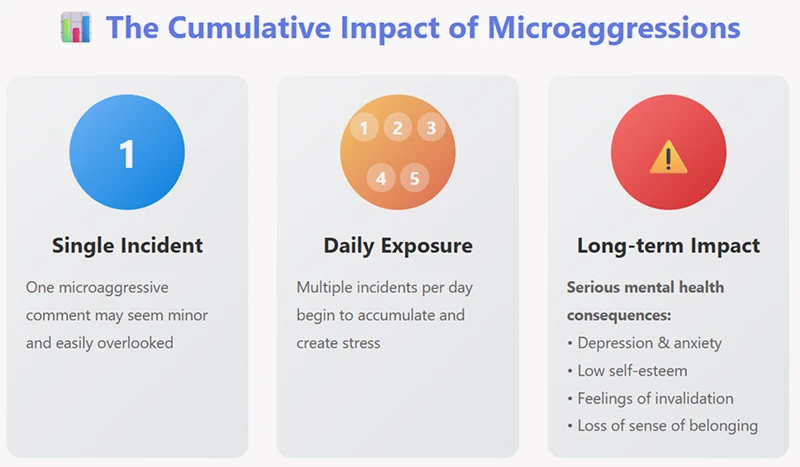
The difficult part is, the person making these comments often has no idea what they’re doing is so harmful.
The Smart Solution to a Data Problem
We had the thought, “What if we could train computers to catch these subtle put-downs that we humans often miss?”. To teach AI about microaggressions, we needed thousands of examples, but who has time to label all that text? Our team came up with a clever workaround by using ChatGPT to help identify and sort through examples.
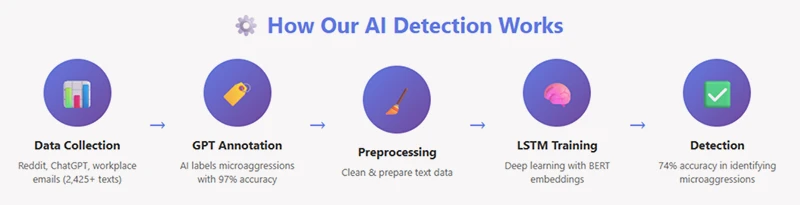
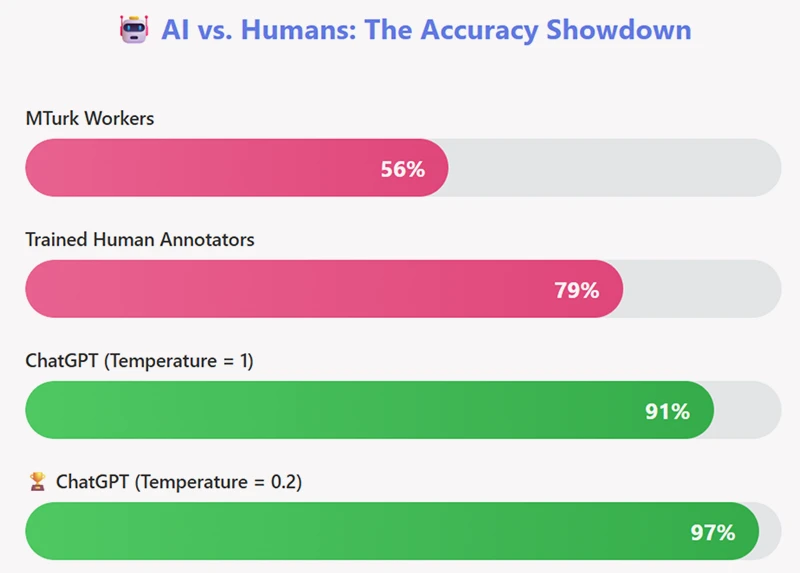
It turns out in any case AI was just better at this labelling job than humans, getting it right 97% of the time compared to just 56% for people doing the exact same task. It’s like having a tireless research assistant who never gets bored or distracted!
Where This Could Help Us All
Imagine if this technology could:
- Help on social media: Giving you a gentle heads-up before posting something that might hurt someone’s feelings
- Make work emails better: Suggesting more inclusive ways to phrase things
- Create safer online spaces: Helping moderators catch subtle harassment that usually flies under the radar
- Support better conversations: Like having a friend whisper “maybe rephrase that” before you hit send
What’s Coming Next?
Our current system gets it right about 3 out of 4 times, which is pretty good, but not perfect. Being honest about this limitation, we see it as a starting point, not the finish line.
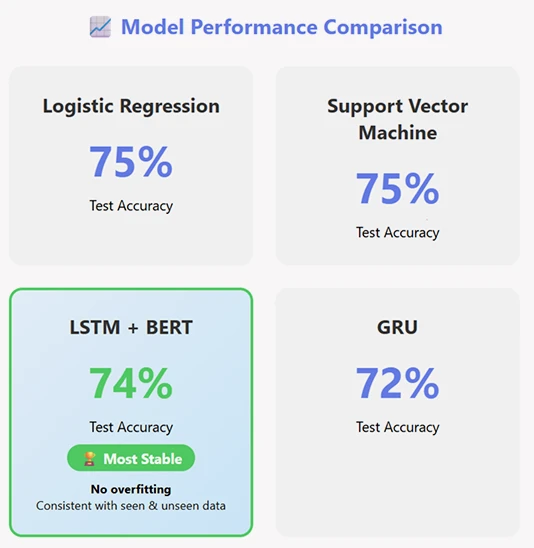
Our team doesn’t just want to identify problematic language; we want to help fix it. Imagine an AI assistant that could say, “Hey, maybe try saying it this way instead” and offer a more inclusive alternative = that is our goal.
Why This Matters to All of Us
Whether you’re a student, parent, professional, or just someone who communicates online (so, pretty much everyone), this research can affect you. We want to create spaces where everyone feels welcome and be better at communicating. This isn’t about policing language or walking on eggshells, it’s mainly about having tools to help us be more aware and considerate in our daily interactions!
The full research paper dives into all the technical details, shows the actual results, and explains what this could mean for creating more inclusive digital spaces. It’s a fascinating look at how technology might help us treat each other better!
Because sometimes we all need a little help saying what we really mean.